
Which timber for a wooden pergola
Treated pine or spruce is the usual timber for a wooden pergola and the lowest in price. Douglas fir and larch last longer, and oak heartwood longer again. The standard scale runs from class 1, very durable, to class 5, not durable. Oak heartwood is 2, Douglas fir and larch 3, pine and spruce heartwood 4, and sapwood of any timber 5.
The durability scale, what pressure treatment does and the questions to put to a supplier.
Free and no obligation. Your request goes to one carpenter, not a list.
- 2oak heartwood, durable
- 3Douglas fir, larch
- 4pine, spruce heartwood
- 5sapwood, any timber
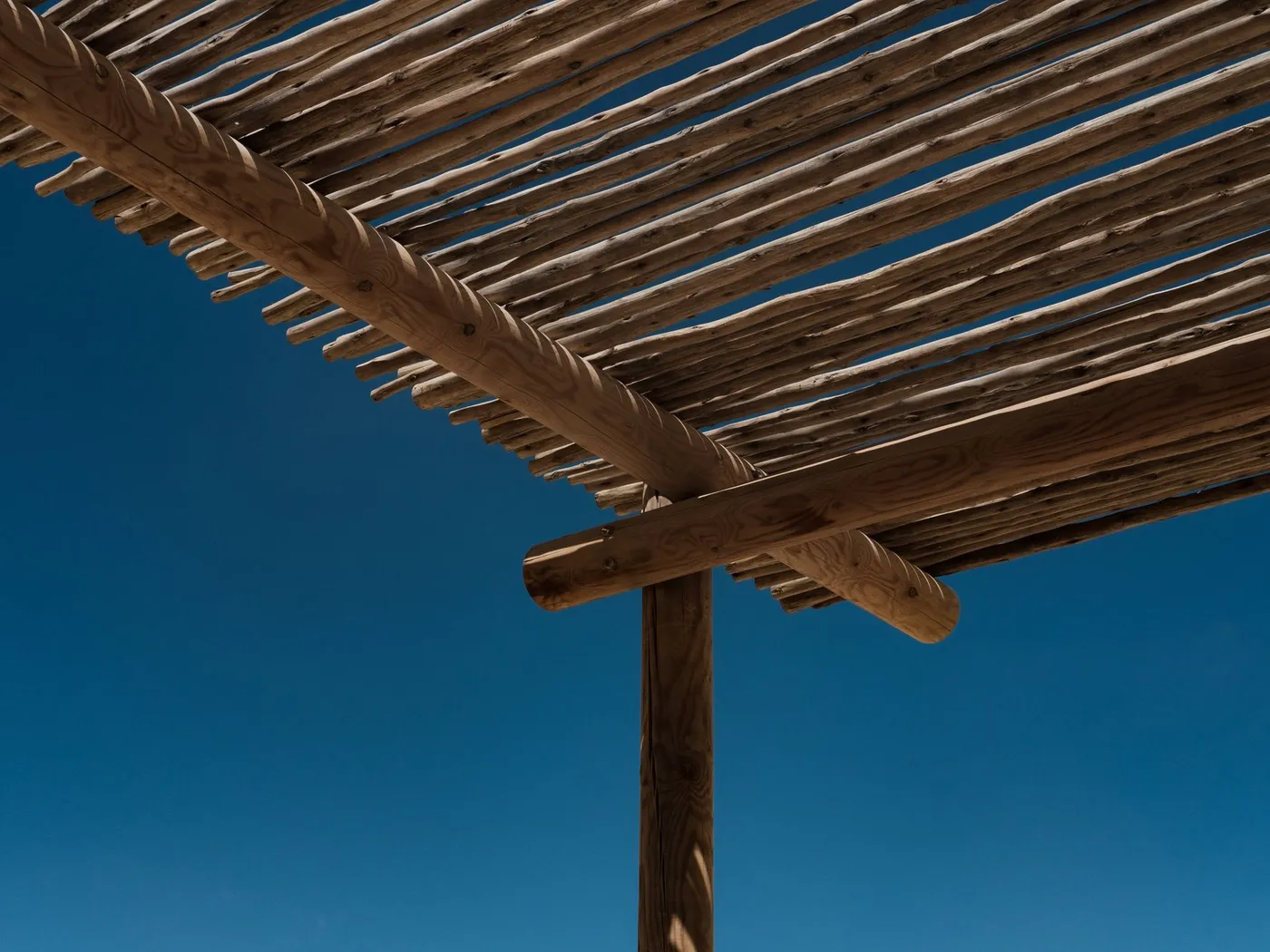
The scale
Oak heartwood
- Class
- 2
- Called
- Durable
Douglas fir
- Class
- 3
- Called
- Moderately durable
Larch
- Class
- 3
- Called
- Moderately durable
Scots pine, spruce
- Class
- 4
- Called
- Slightly durable
Any sapwood
- Class
- 5
- Called
- Not durable
Class 1, very durable, is the top. Merchants' pine and spruce are class 4 or 5 on their own, which is why they are pressure treated.
What treatment does
Pressure treatment pushes preservative into the wood so that a cheap timber lasts outdoors. The posts at merchants are sold in two grades: UC3 for above ground and UC4 for contact with the ground. Merchant timber is pressure treated after it is cut to length. A cut you make on site opens untreated wood, so every cut end gets end-grain preservative before it goes up.
The pergolas built on this site's prices use pressure-treated Scandinavian pine. Merchants' deck posts are redwood and whitewood, kiln dried, and their H posts are pine and spruce.
Price my wooden pergola
Four taps and the price shows as you go. Your name and number come last, and only if you want a carpenter to price it.
A timber pergola built for you, about 4 × 3 m, against the house: about €2,400, built and fitted.
How the price is worked out
The figure is what that kind and size sells for in Ireland now, with VAT included. Where sellers differ, you see the lowest and the highest. A kit price is for the kit delivered, not put up. The base, the fixings to the ground, a roof and lights are not in it, because they depend on your garden. A built price covers the timber and the work, before the travel to your county. Use it to plan with. It isn't a quote: the carpenter prices yours after seeing where it goes.
Choosing one
Treated pine or spruce
from €1,920 built
The standard. Kit and built prices on this site are for it.
Douglas fir or larch
priced on a visit
Class 3. A step up in life and in cost.
Ask for it in writing
- The species of the posts, beams and rafters.
- The use class of every post: UC3 or UC4.
- Heartwood or not. Sapwood is class 5 whatever the species.
- When the treatment was applied, which should be after cutting.
- The guarantee against rot, and what voids it.
Other kinds to look at
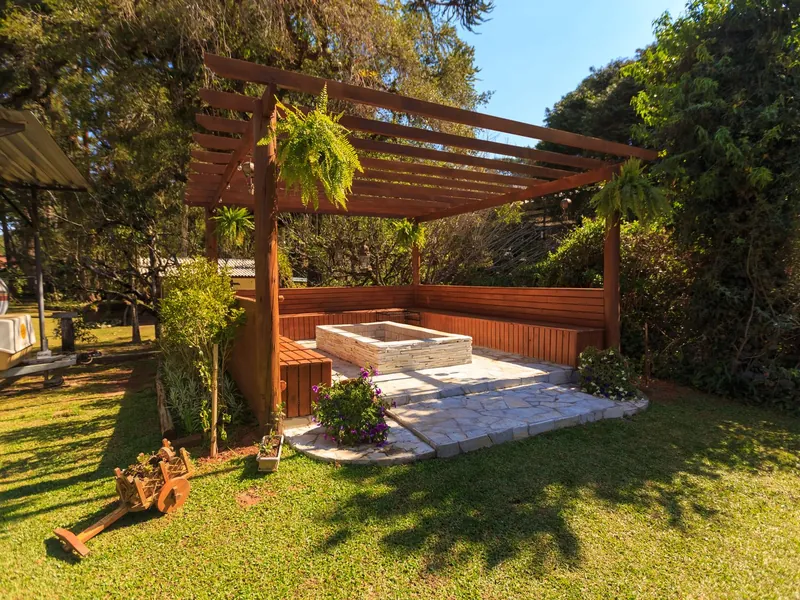 Timber pergolas, built to sizeA carpenter builds it to your garden's sizes. From €1,920 at 3 × 3 m, before travel.
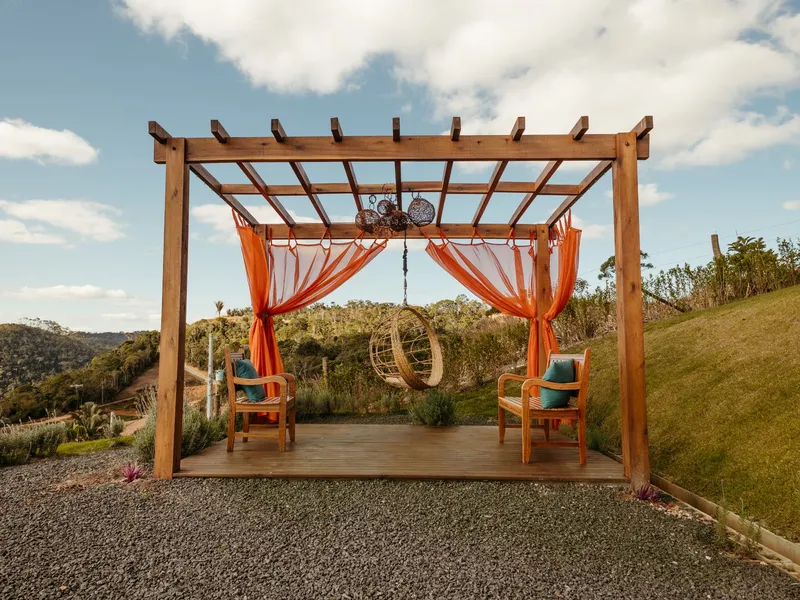 Pergola kitsCut, drilled and delivered. Small ones are €428 to €733.
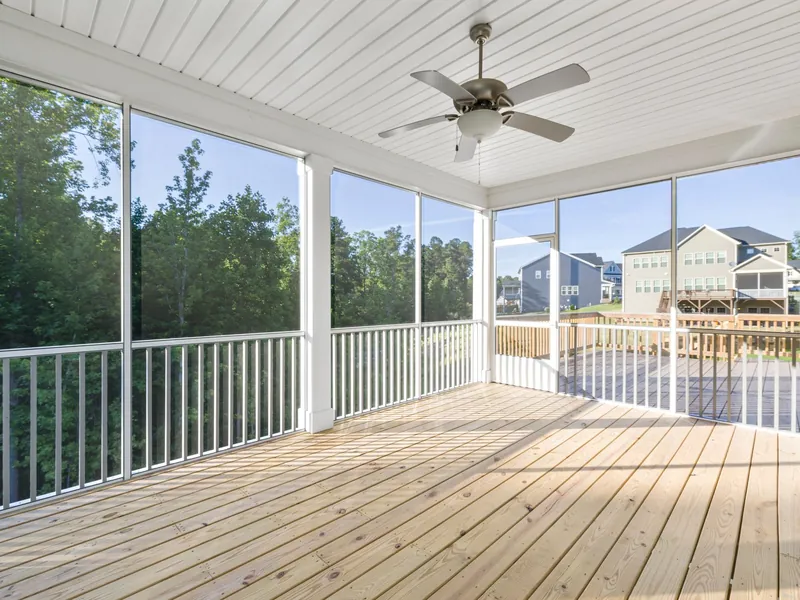 A wooden pergola with a roofClear sheets over the rafters cost €46 a m².
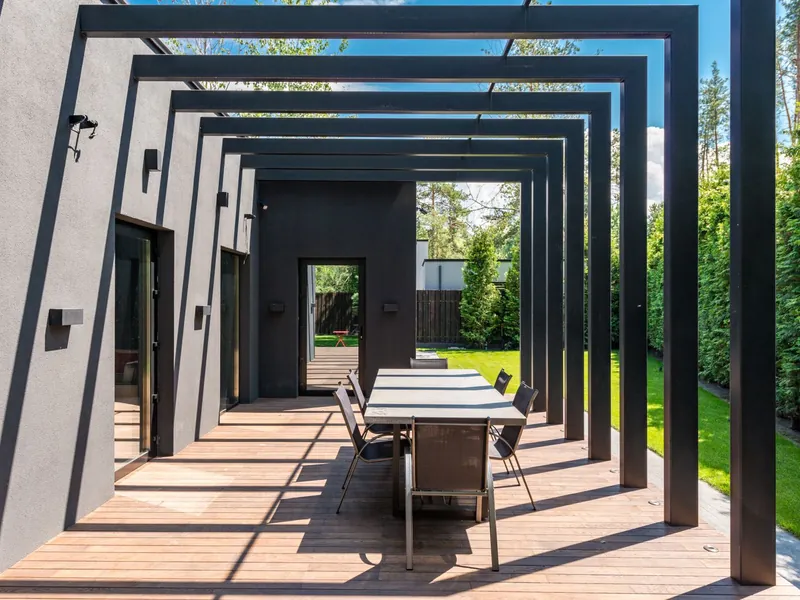 Lean-to wooden pergolasTwo posts and the back wall of the house.
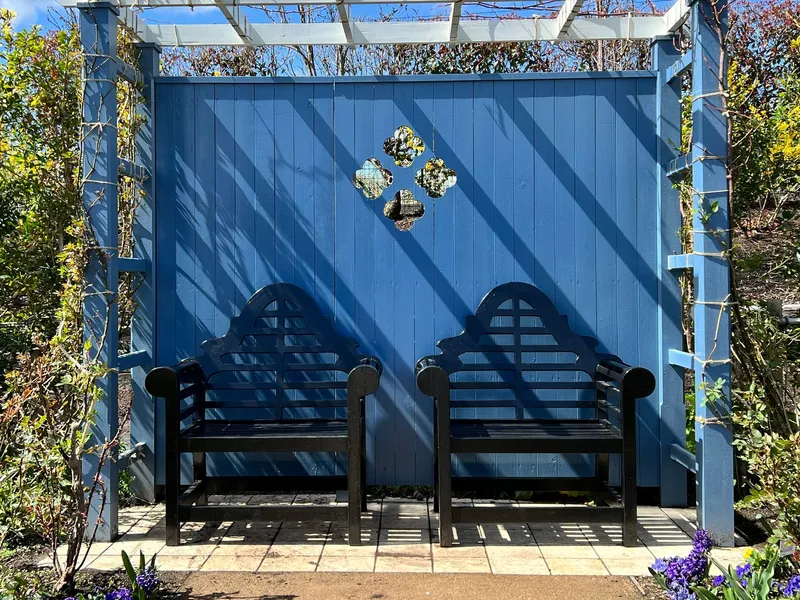 Corner pergolasKits are €560 and €733, in two sizes.
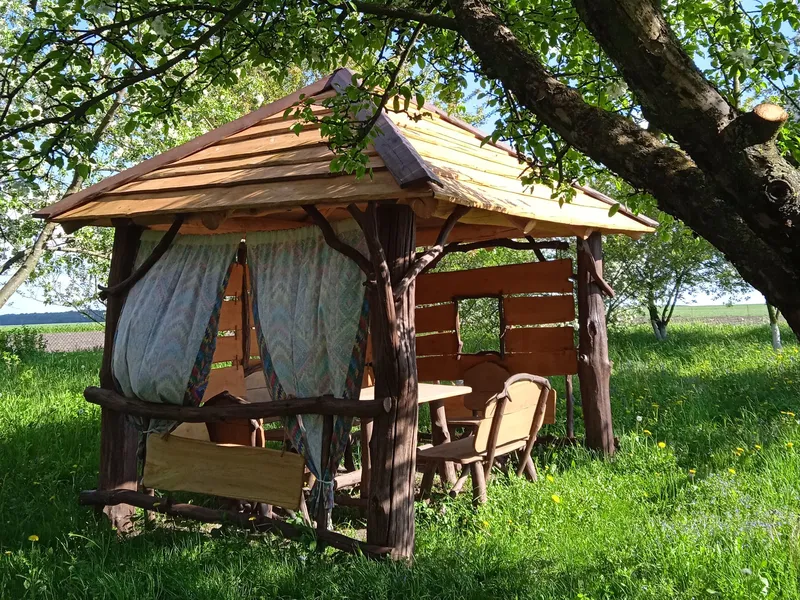 Wooden gazebosA solid roof on four posts. €2,317 to €3,324 at 3 × 3 m.
Questions before you buy
What timber should I use for a pergola?
Treated pine or spruce is the usual timber for a wooden pergola and the lowest in price. Douglas fir and larch last longer, and oak heartwood longer again. The standard scale runs from class 1, very durable, to class 5, not durable. Oak heartwood is 2, Douglas fir and larch 3, pine and spruce heartwood 4, and sapwood of any timber 5.
Is treated timber safe for a pergola?
Merchant timber sold for outdoor use is made for it. Follow the supplier's notes on handling and on offcuts.
Is oak or larch better for a pergola?
Oak heartwood is class 2 and larch class 3, so oak is more durable on the scale. Oak costs more.
What does UC3 mean?
Use class 3: outdoors above the ground.
Do I need to treat the cut ends?
Yes. A cut opens wood the factory treatment did not reach.
Everything on this site
Wooden pergolas
Build it and fix it
Cost, rules and answers
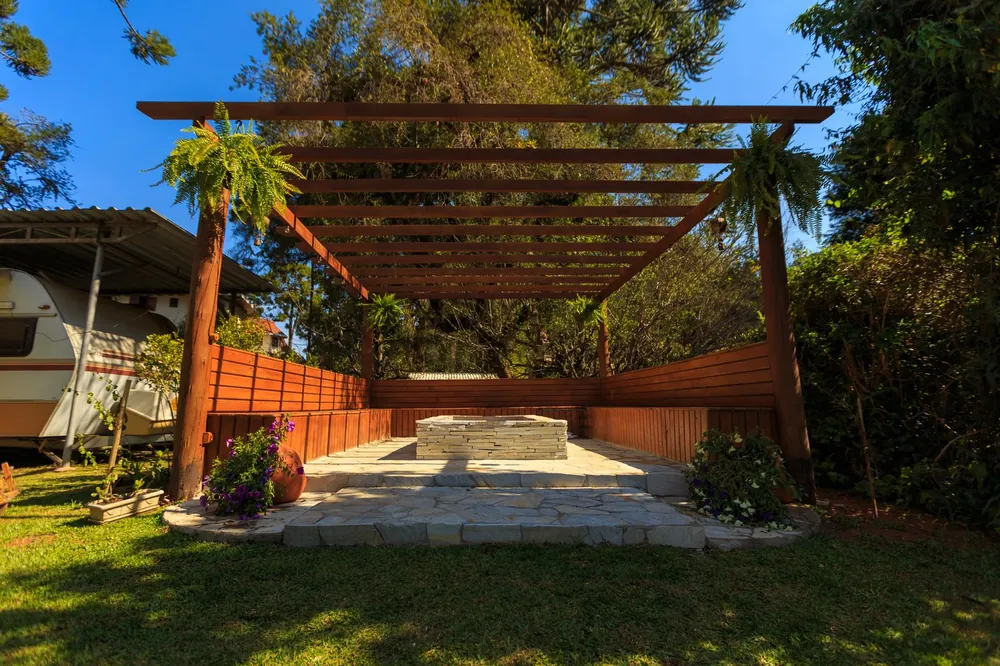
See the price before anyone rings
Pick what you are after, how big and where it stands. When you want a firm price, it goes to a single carpenter who covers your county.