
Treating and caring for a wooden pergola
A new pressure-treated pergola needs no coat on day one, and one corner-kit maker says treating it within six months voids the guarantee. After that, the care is simple: treat every cut end, check the fixings and the post feet each spring, and re-coat the timber when the finish wears thin.
What to do in the first year, what to do to every cut end and what to look at each spring.
Free and no obligation. Your request goes to one carpenter, not a list.
- 6 monthsone maker's no-treating window
- 15 yearsanti-rot guarantee on one kit
- 10 yearsguarantee on a heavy kit
- 1check each spring
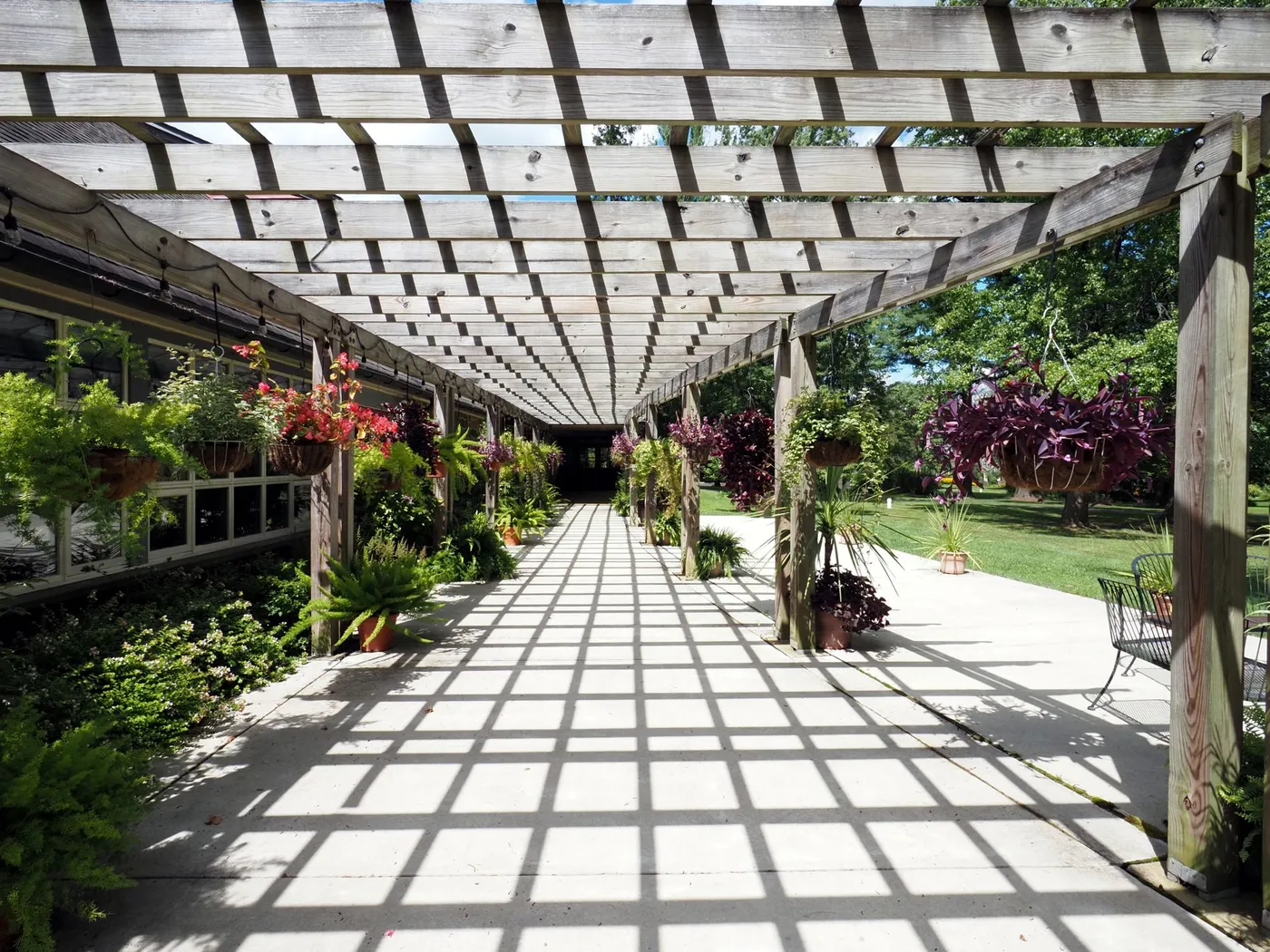
The first year
Read the maker's sheet before you buy a stain. One corner kit asks for no treatment in the first six months, and treating it earlier voids the warranty. After that the timber can be treated once a year if you wish, and the maker calls it optional.
Guarantees differ: 15 years against rot on one kit and 10 on another. Ask what each excludes.
Cut ends and drilled holes
Merchant timber is pressure treated after it is cut to length. A cut you make on site opens untreated wood, so every cut end gets end-grain preservative before it goes up. Brush it into the end grain and into the hole of any bolt you drill. Do it as you build, not after, because the cut end is on a shelf of rafters you cannot reach later.
Price my wooden pergola
Four taps and the price shows as you go. Your name and number come last, and only if you want a carpenter to price it.
A timber pergola built for you, about 4 × 3 m, against the house: about €2,400, built and fitted.
How the price is worked out
The figure is what that kind and size sells for in Ireland now, with VAT included. Where sellers differ, you see the lowest and the highest. A kit price is for the kit delivered, not put up. The base, the fixings to the ground, a roof and lights are not in it, because they depend on your garden. A built price covers the timber and the work, before the travel to your county. Use it to plan with. It isn't a quote: the carpenter prices yours after seeing where it goes.
A check each spring
- The post feet. Look for soft or dark timber where it meets the base.
- The bolts and brackets. Rust and loose nuts.
- The rafters. Splits that hold water, and sagging.
- Climbers. Keep their weight off one side, and keep stems off the wall.
- The finish. Water that no longer beads on the timber means it is time to re-coat.
What to put on it
A stain or a preservative made for exterior timber, applied to dry wood on a dry day. Paint hides the grain and flakes. Either way, take the first coat to the underside of the rafters and the faces of the beams, where weather and climbers do the damage.
Other kinds to look at
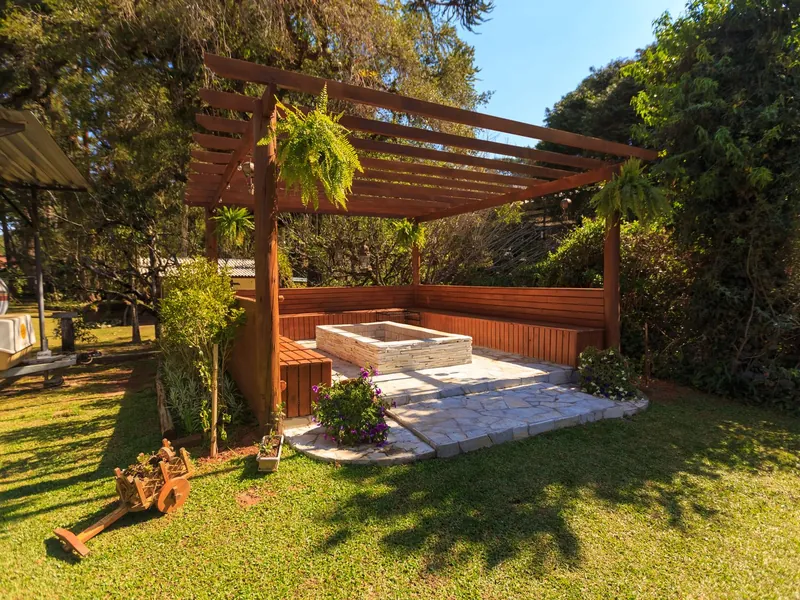 Timber pergolas, built to sizeA carpenter builds it to your garden's sizes. From €1,920 at 3 × 3 m, before travel.
 Pergola kitsCut, drilled and delivered. Small ones are €428 to €733.
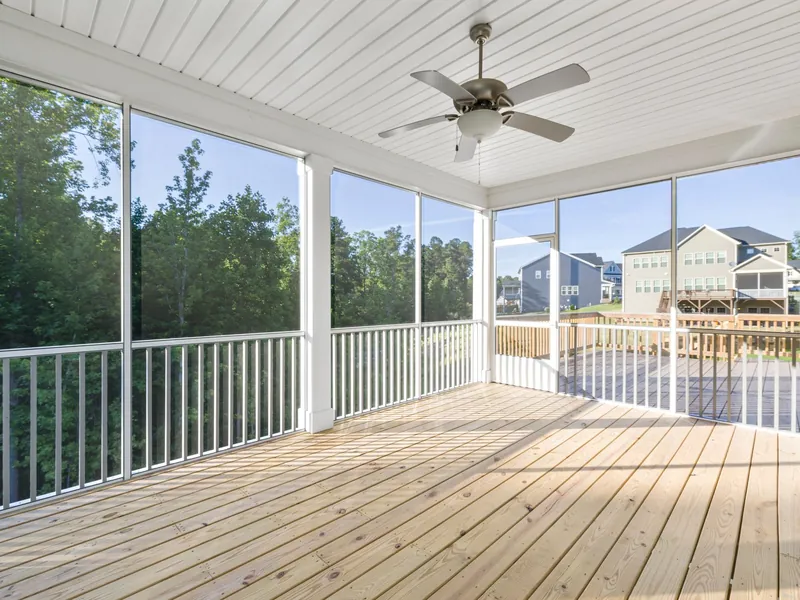 A wooden pergola with a roofClear sheets over the rafters cost €46 a m².
 Lean-to wooden pergolasTwo posts and the back wall of the house.
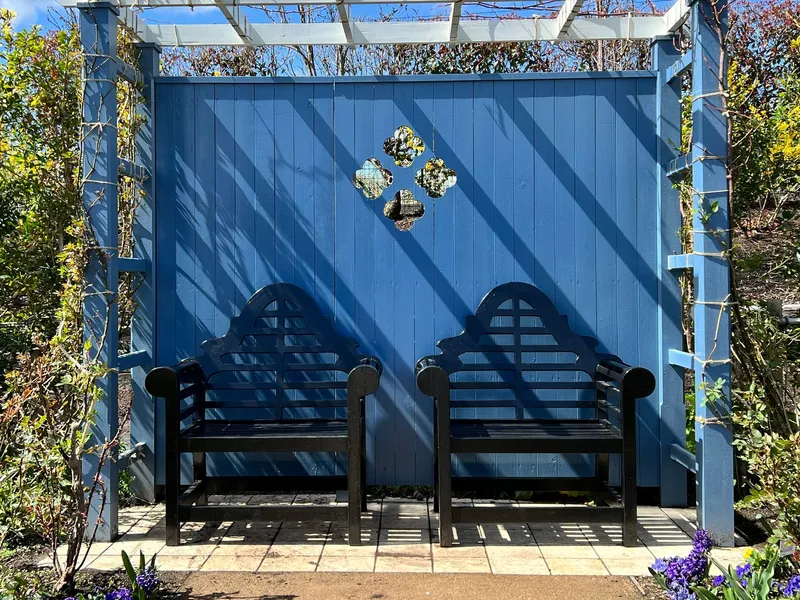 Corner pergolasKits are €560 and €733, in two sizes.
 Wooden gazebosA solid roof on four posts. €2,317 to €3,324 at 3 × 3 m.
Questions before you buy
How do I treat a wooden pergola?
A new pressure-treated pergola needs no coat on day one, and one corner-kit maker says treating it within six months voids the guarantee. After that, the care is simple: treat every cut end, check the fixings and the post feet each spring, and re-coat the timber when the finish wears thin.
Should I stain a new pergola?
Check the maker's sheet. One maker says treating within six months voids the guarantee.
How often should I re-coat it?
When water stops beading on the timber. For many finishes that is every two or three years, so follow the maker's own interval.
Do I need to treat pressure-treated wood?
The cut ends, yes. The rest is treated at the factory.
Do climbers harm a pergola?
They add weight and hold moisture against the timber, so check the wood beneath them each spring.
Everything on this site
Wooden pergolas
Build it and fix it
Cost, rules and answers
See the price before anyone rings
Pick what you are after, how big and where it stands. When you want a firm price, it goes to a single carpenter who covers your county.